The Build-to-Rent Boom and What It Means for Renters
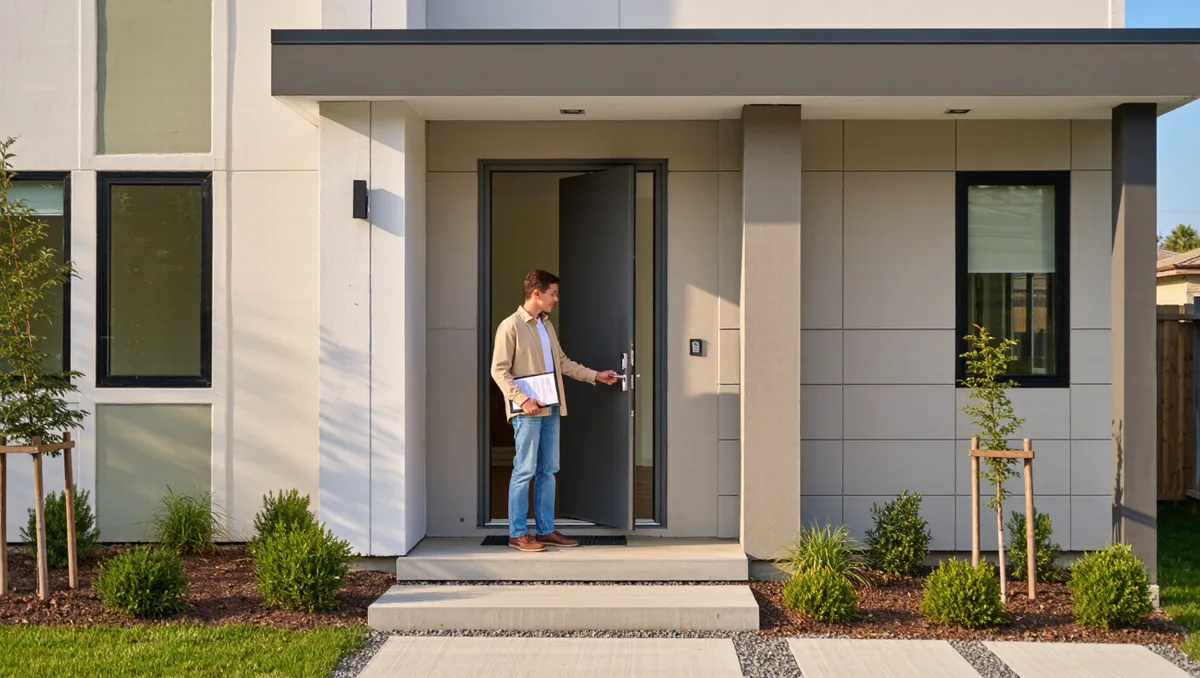
Whole neighborhoods of houses built for rent, not for sale, are changing what suburban living looks like — and what renters should check before signing.
Whole neighborhoods of houses built for rent, not for sale, are changing what suburban living looks like — and what renters should check before signing.
What to check on licensing, staffing, and day-to-day culture before anyone signs up with a residential program.
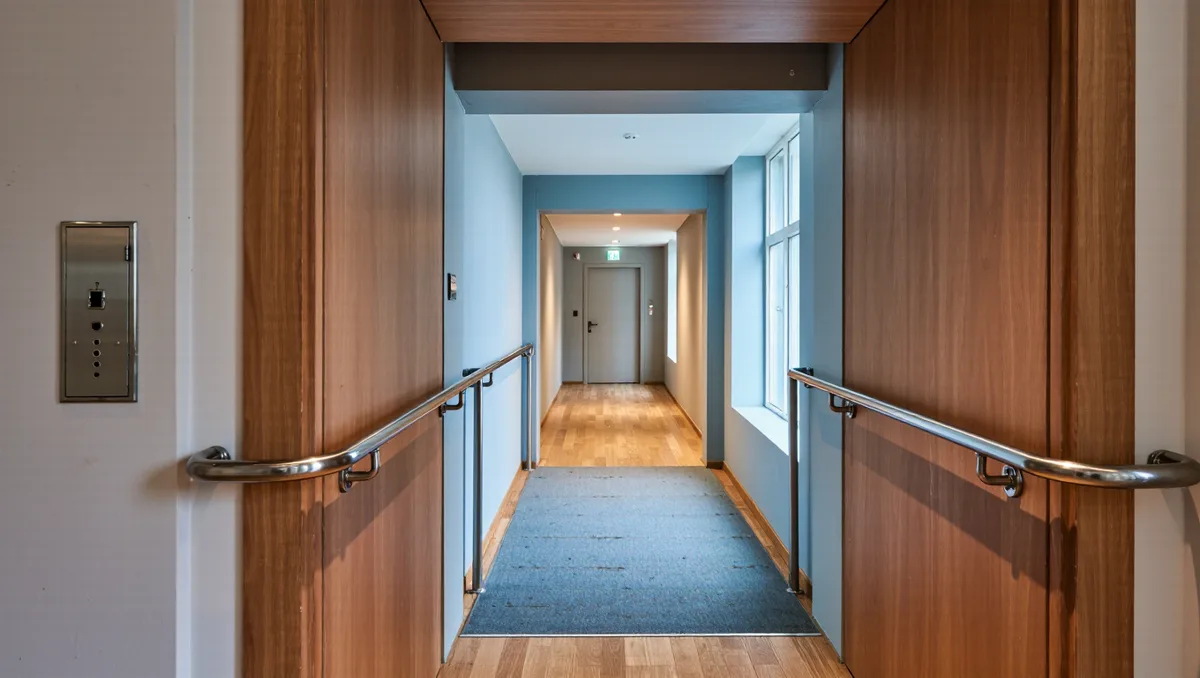
What to ask for, how to put it in writing, and what documents help — so your request gets a yes instead of a shrug.
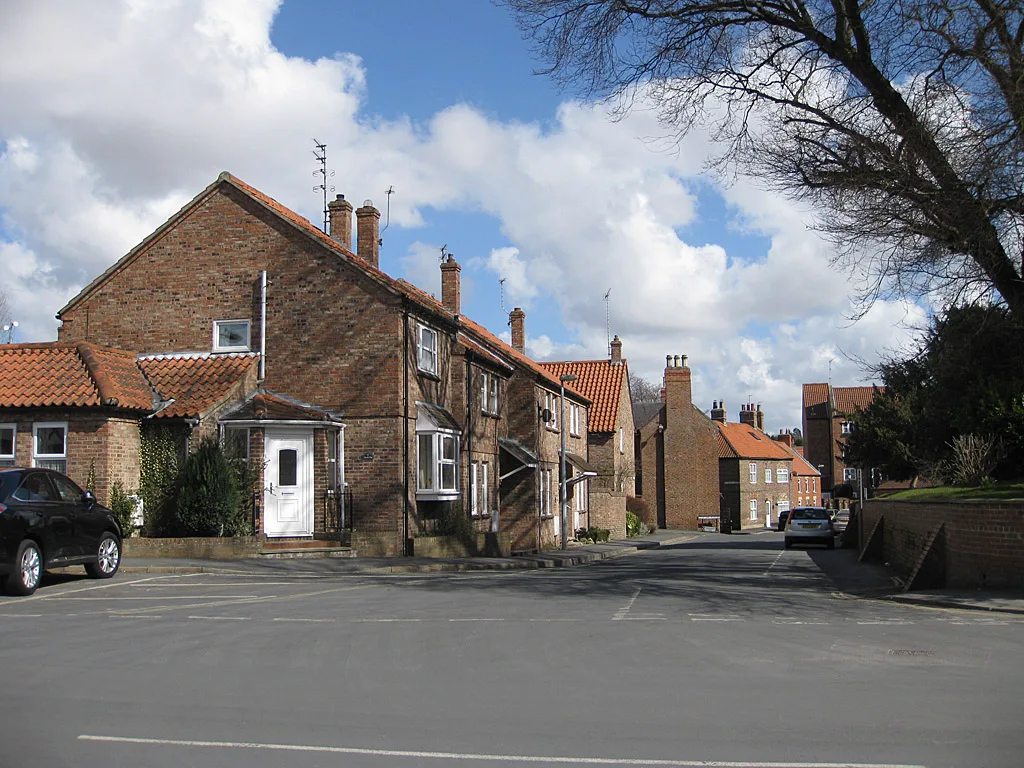
Which market signals actually matter when you're deciding to buy, and which ones exist to get clicks.
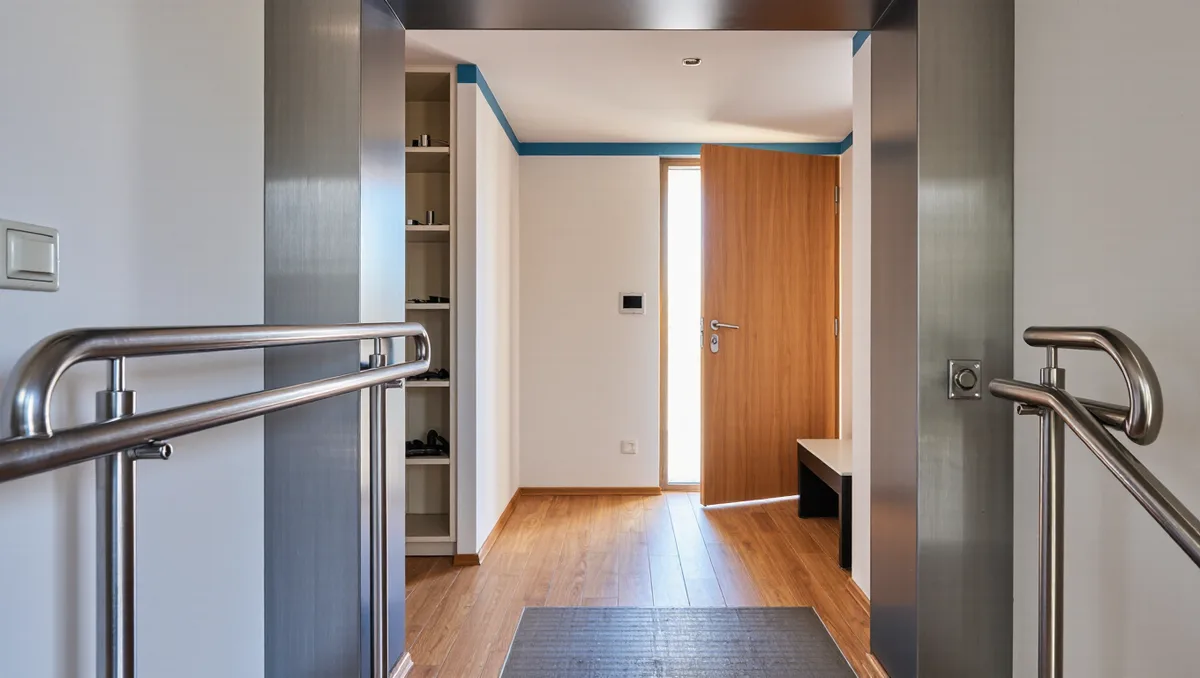
A season-by-season route from credit prep to closing day, with the accessibility checks most buyers leave out.
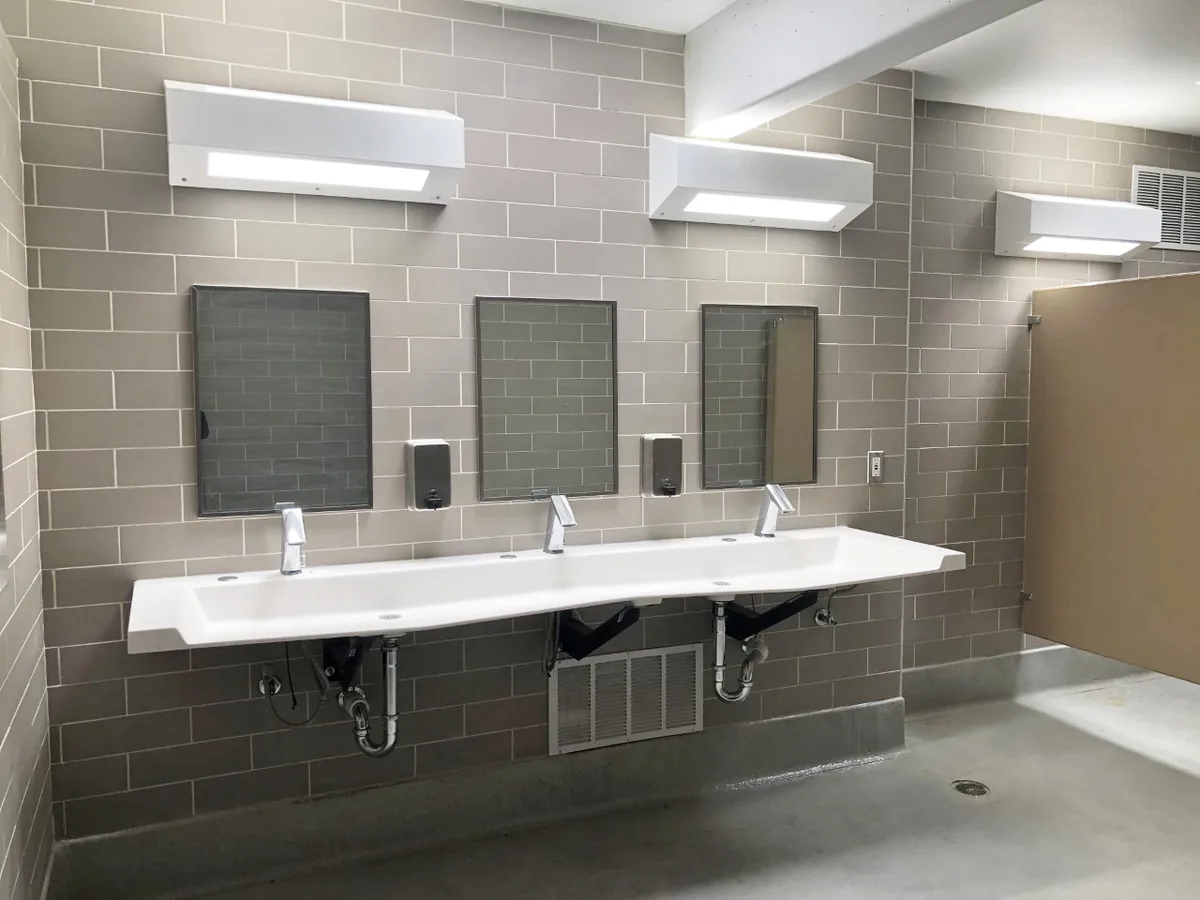
Counter height, mirror placement, and sink access shape the first hour of the day. Learn which bathroom changes make mornings smooth.
You can cut a lot of the noise that comes through a shared wall without drilling, gluing, or losing your deposit.
Clear floor paths, smart furniture choices, and a few measured trade-offs can make a tight room fully navigable.
One changes the thing itself. The other changes how you use it. Knowing which term applies helps you ask for the right thing at school, at work, and at home.

How rise ratios work, what each ramp material does over time, and where the line sits between a weekend build and a job for a contractor.
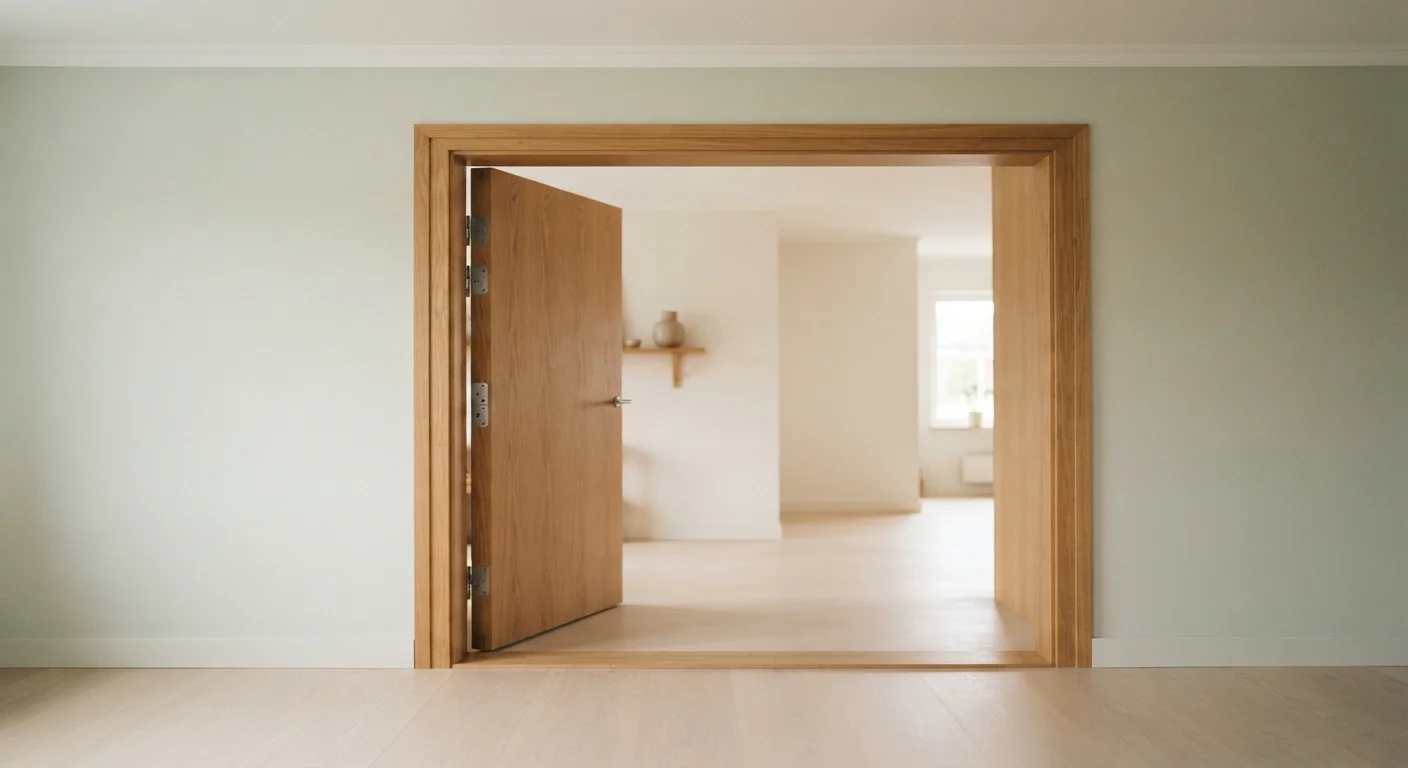
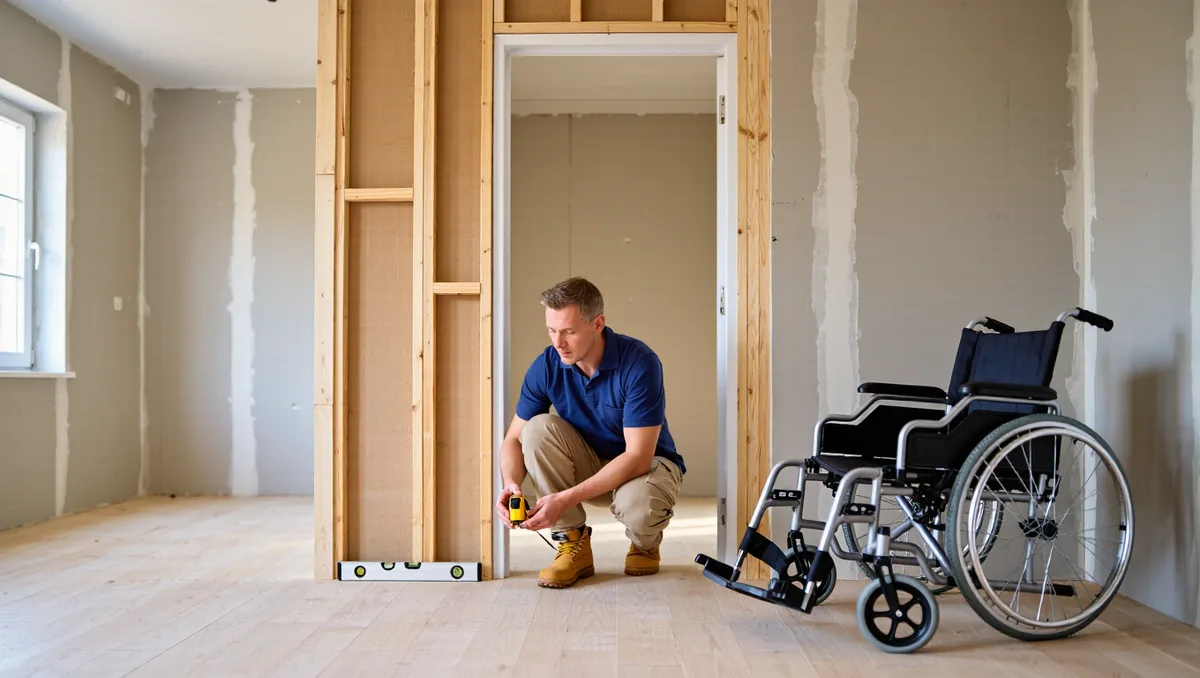
You need 32 inches of clear width — most interior doors give you 28 to 30, and the fix ranges from a $30 hinge swap to a $2,000 reframing job.
A room-by-room approach that clears the clutter around devices and supplies without treating the equipment itself as the problem.
A roll-in shower has no curb to hold water back, which means the fan, the slope, and the membrane are doing more work than in a standard bathroom.
Rich Products just scored high on the Disability Index, a workplace benchmark most job seekers with disabilities have never heard of. Here's what the recognition actually measures — and what it doesn't.
Federal special-education rules require some school-purchased devices to travel home with a child who needs them — and Medicaid can sometimes help with what school doesn't cover. This isn't legal or benefits advice; requirements vary by state and by case.
A compliant ramp follows a 1:12 slope standard from the U.S. Access Board; the VA's HISA grant and Medicaid HCBS waivers can help pay for one, but the amount and the rules depend on the program.

Alerts built around sirens, tones, and on-screen text do not reach everyone equally. Here is where the gap sits and what fixes are in the works.
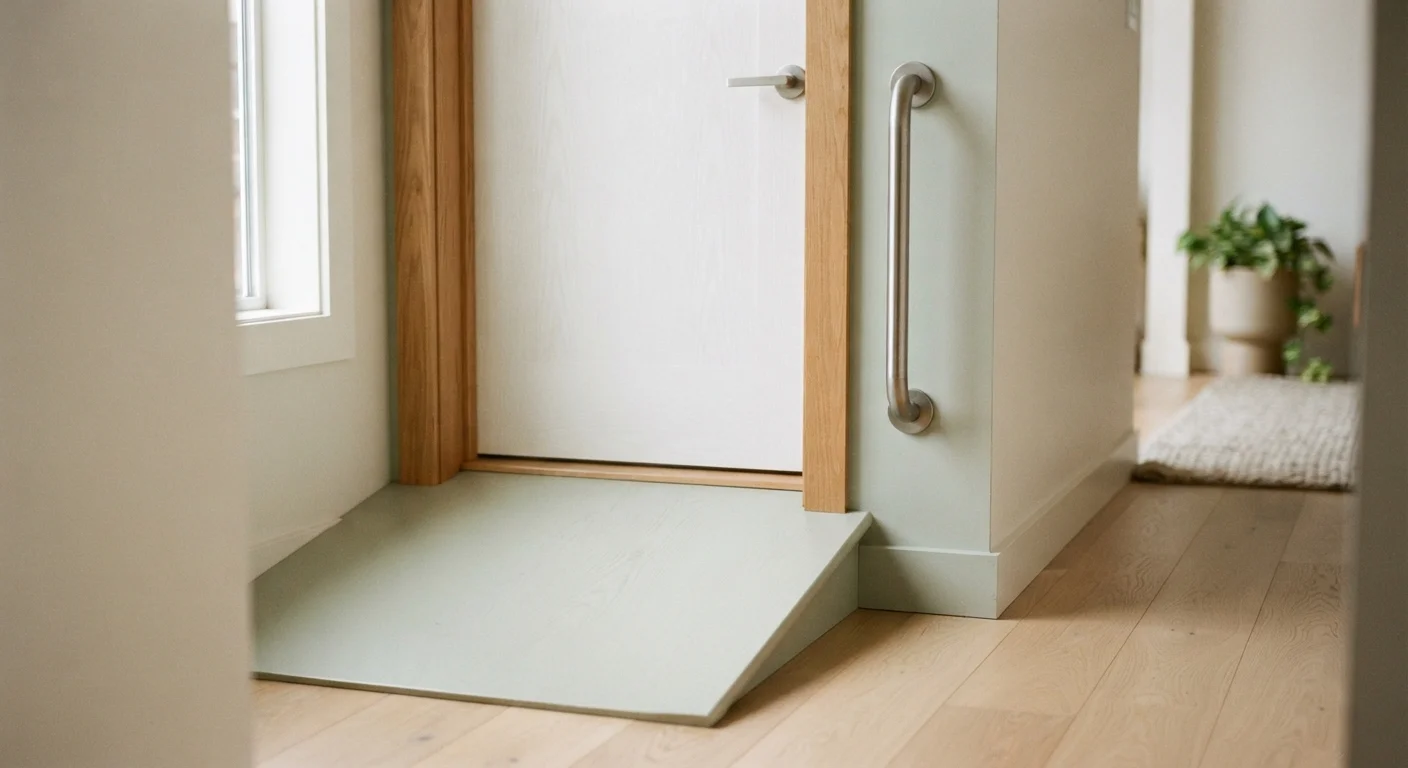

State and local government websites — including public housing authorities — must meet WCAG 2.1 AA by April 2026 or 2027, depending on population.
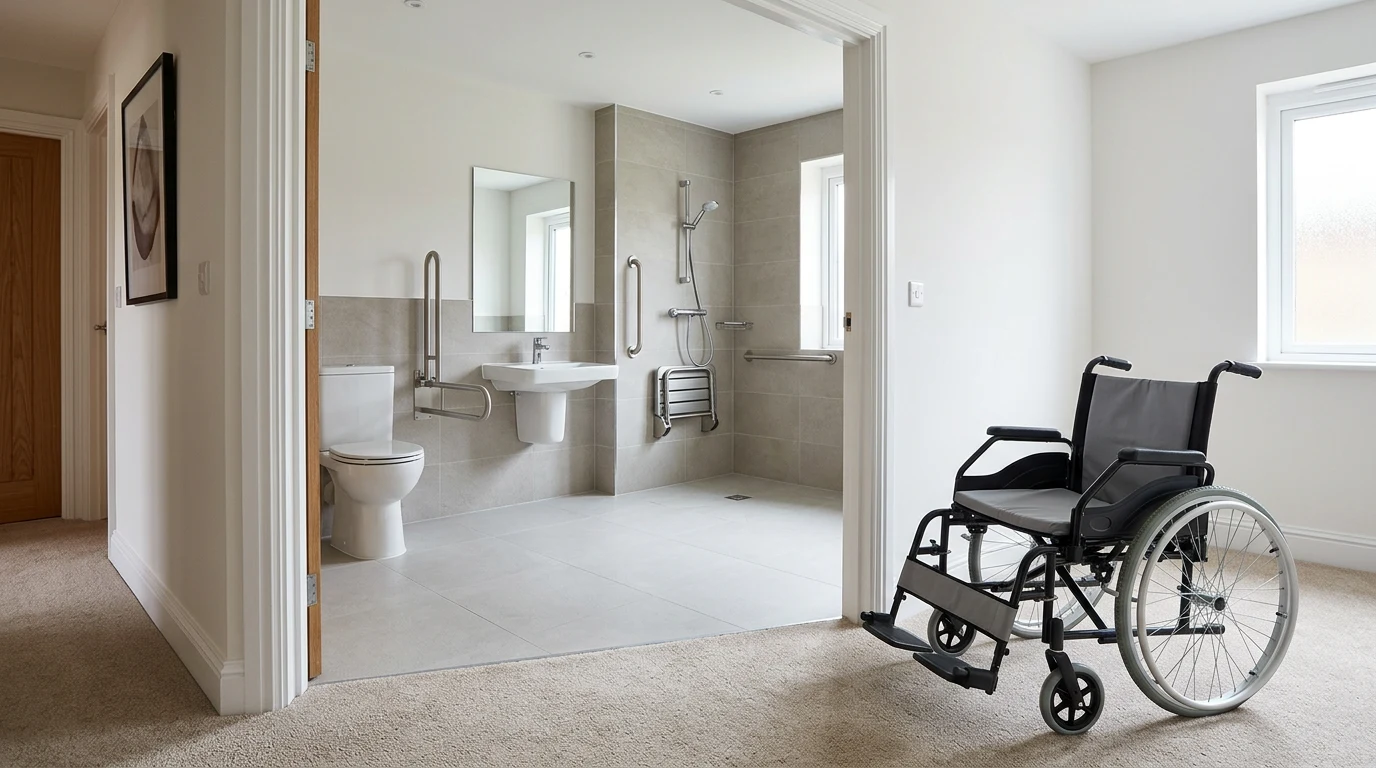

Who owns what, who approves your purchase and your renovations, and what each structure means for accessibility rights.

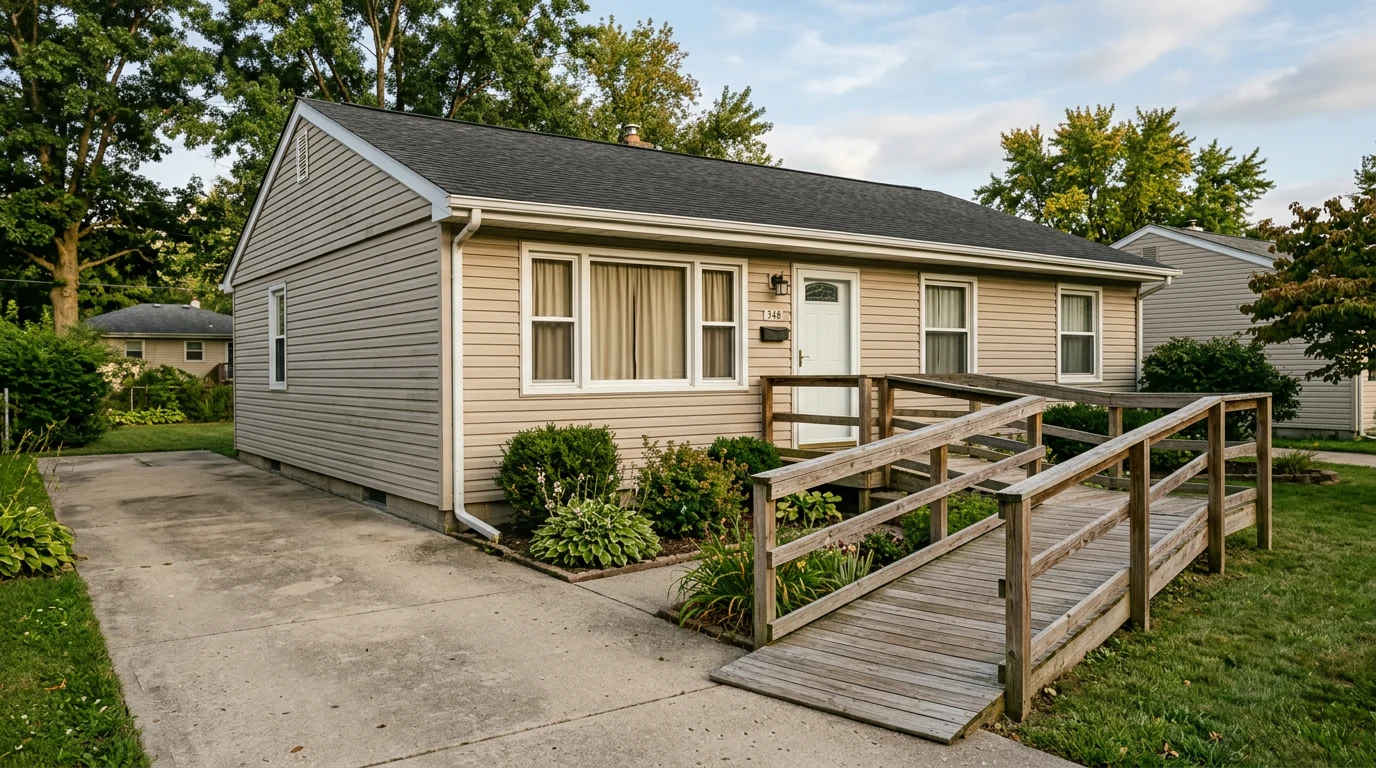
New maximum grant amounts took effect October 1, 2025, tied to an annual construction-cost index the VA is required to check every year.
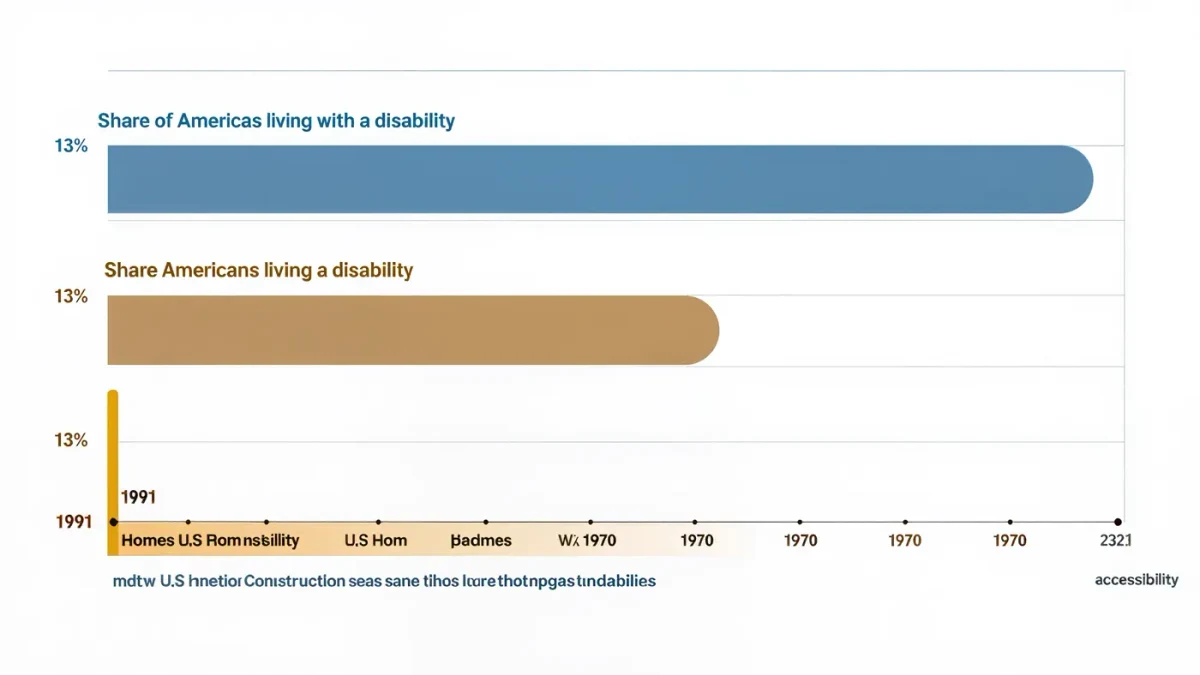
Roughly 13 percent of Americans live with a disability, while only a small fraction of homes offer basic wheelchair usability — here is how the gap got built, and what unwinds it.