A modification changes the thing itself: the building, the fixture, the curriculum, the schedule. An accommodation changes how a person uses something that stays as it is: a different exam format, a reserved parking spot, a flexible start time. That is the core of modifications vs accommodations, and the difference matters because programs, laws, and funding streams treat the two differently.
The word itself supports that split. According to Dictionary.com, a modification is "a change or alteration, usually to make something work better" — a partial alteration to the object, not a change in how someone interacts with it. An accommodation, by contrast, leaves the object alone and adjusts the arrangement around the person.
Why does the vocabulary matter to you? Because when you request the wrong one, you can lose weeks. Ask a school district for an "accommodation" when your child needs a ramp, and the request may route to a committee that cannot approve construction. Ask an employer for a "modification" to the building when a schedule change would do, and you may trigger a renovation conversation nobody needed. This guide walks through how the two terms work in school, at work, and in housing, and what each one typically involves.
What is a modification, exactly?
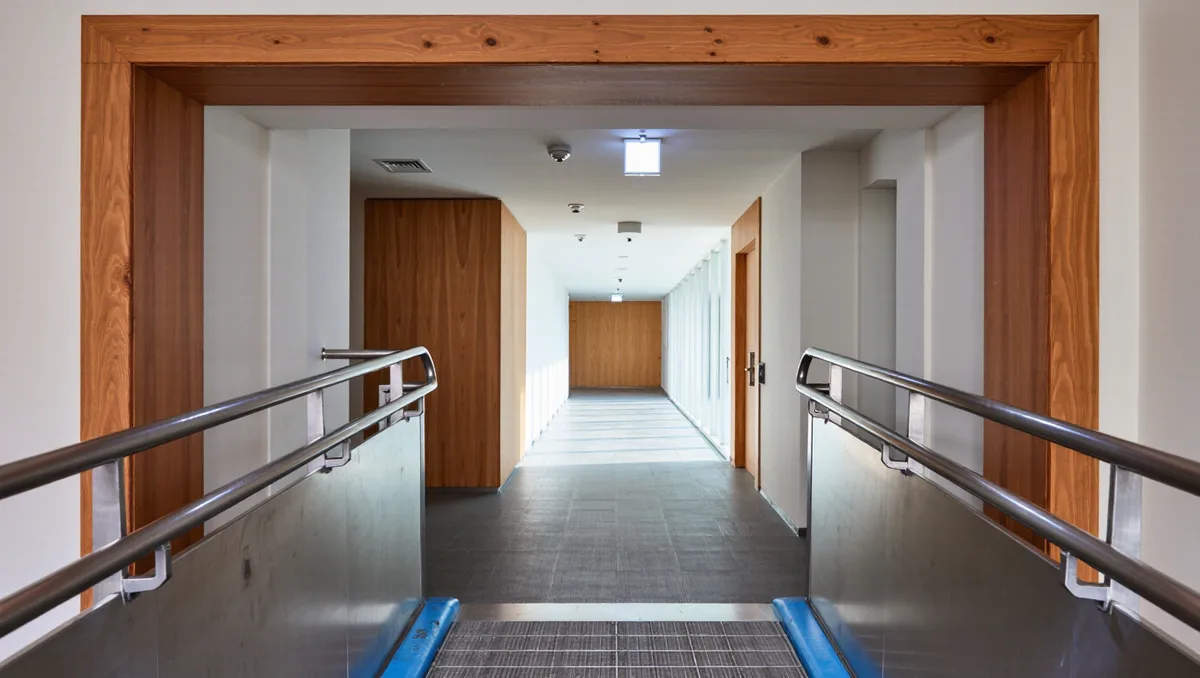
A modification is a physical or structural change to a thing. In housing, that is the territory this publication covers daily: widening a doorway, installing grab bars, building a ramp, lowering a counter. Merriam-Webster defines modification as "the making of a limited change in something" — limited being the operative word. A modification alters a specific element, not the whole building.
In a school setting, a modification usually means changing what is taught or what counts as mastery: a reduced assignment load, altered grading standards, or a different curriculum. In the workplace, it might mean restructuring a job's physical setup. The common thread is that the thing itself — the doorway, the test, the workstation — comes out different on the other side.
Modifications usually cost money and take time. They may need permits, contractors, or landlord approval. That is why the term carries weight in funding programs: many grant and waiver programs pay for modifications specifically, and not for accommodations.
What is an accommodation, exactly?
An accommodation is an adjustment to a rule, practice, or arrangement that lets a person use something as it exists. Nobody rebuilds the doorway; instead, the person gets an automatic door opener, a different work schedule, extra test time, or a ground-floor assignment in an otherwise unchanged building.
The test of an accommodation is simple: after it is made, the physical thing is unchanged. The classroom is the same classroom. The apartment is the same apartment. What changed is the policy, the schedule, the equipment brought in, or the way a task is done.
Accommodations are often cheaper and faster than modifications, which is why they are usually the first thing requested. But they are not always enough. No scheduling change makes a second-floor walk-up apartment work for someone who cannot climb stairs. That is where modifications take over.
How do the terms differ at school?
Schools use both terms with precision, and the difference affects what your child receives. Under special education practice, an accommodation changes how a student accesses learning or shows what they know — extended time on tests, a quiet room, audiobooks, a seat near the front. The curriculum and the grading standard stay the same.
A modification changes what the student is expected to learn or how achievement is measured — fewer problems on an assignment, alternate grading, or a modified curriculum. The practical consequence for families: modifications can affect the credential a student earns, while accommodations generally do not. When you sit down for an IEP or 504 meeting, ask which one is being proposed and why. The answer tells you whether the school intends to change the path or change the destination.
Assistive technology often sits in accommodation territory — a device the school provides that the student uses with unchanged materials. Our guide to assistive technology for a child with a disability covers what schools must provide and where home use fits in. For related coverage, see Assistive Technology for a Child With a Disability: What Schools Must Provide at Home.
How do the terms differ at work?
At work, the common umbrella term is "reasonable accommodation," and it covers both categories. A schedule change, a screen reader, a reserved parking space, and a ramp to the entrance can all fall under the same legal request. What varies is the response: policy adjustments are usually quick and cheap, while physical changes involve facilities, budgets, and sometimes building permits.
What this means for you as an employee: you do not need to sort the vocabulary perfectly when you make a request. Describe the barrier and the outcome you need, and let the employer determine the mechanism. But it helps to know that the employer may offer an accommodation where you asked for a modification — a different desk instead of a rebuilt one — and that such an offer can be legitimate if it removes the barrier.
How do the terms differ in housing?
Housing law draws the line sharply, and it uses a phrase worth memorizing: "reasonable accommodations and modifications." In rental housing, an accommodation is a change in rules, policies, or services — a reserved accessible parking space, an assistance-animal exception to a no-pets policy, a ground-floor assignment. A modification is a physical change to the premises — grab bars, a ramp, a widened door, a roll-in shower.
The distinction drives who pays. In many covered rental situations, a tenant may request a modification at their own expense, and may be required to restore the premises afterward, while accommodations generally cost the housing provider, not the tenant. The details depend on the law that applies — the Fair Housing Act's design requirements, the ADA's design standards for public and common areas, and state and local codes all differ, and they apply to different building types. Requirements vary by jurisdiction, building type, and program; what a public building must provide is not what a private apartment must provide.
Practical steps if you rent and need a physical change:
- Put the request in writing and name it as a modification request.
- Describe the disability-related need, not the diagnosis.
- Ask who pays and whether restoration is required before work begins.
- Get any agreement about restoring the unit in writing.
Our Modifications section covers the physical side of this in depth, from grab bar placement and what the standards say to how to widen a doorway for wheelchair access.
Which one should you ask for?
Ask for the one that solves the barrier at the lowest cost that still works. Start with the question: does the thing itself need to change, or does the arrangement around it? If a policy or a schedule is the barrier, that is an accommodation. If a stair, a door, a counter, or a bathroom is the barrier, that is a modification, and no amount of policy change will fix it.
Our analysis of how these requests actually play out: the vocabulary is not bureaucracy for its own sake. Programs fund the two categories differently, schools deliver them through different paperwork, and housing law assigns costs differently. Naming the right one at the start gets your request to the desk that can actually approve it.
One caution worth stating plainly: a freshly painted unit or a landlord's assurance that "the building is accessible" is not evidence of either category. Ask what specifically was changed, when, and to which standard. An honestly built answer names the fixture and the requirement. A vague one is a reason to look closer.