A roll-in shower conversion typically costs $5,000 to $15,000, while a full wet room typically runs $10,000 to $20,000 or more, per industry estimates as of 2026. The wet room waterproofs the entire bathroom floor and usually relocates the drain; the roll-in shower contains water inside a curbless stall. Which one pays off depends on your bathroom's structure, not on the brochure.
All figures below are typical ranges used by industry estimates as of early 2026, and your quotes — itemized, from licensed contractors — are the numbers that matter.
What is the actual difference between the two?
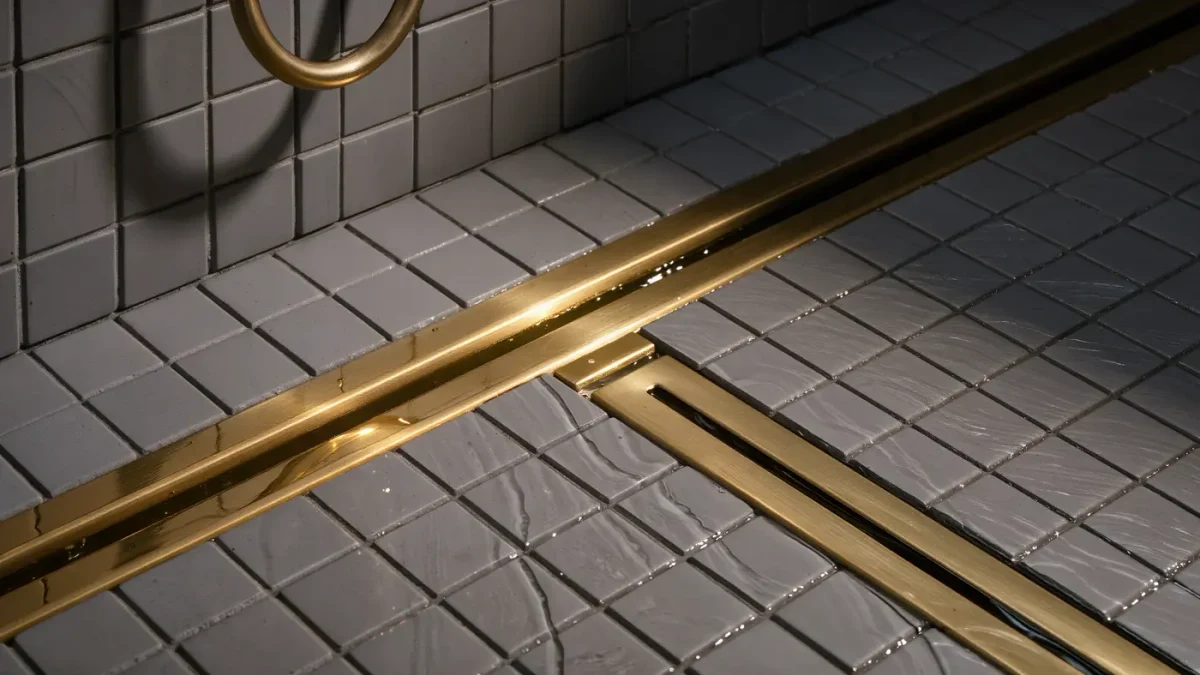
A roll-in shower is a curbless or low-threshold stall inside your bathroom: the shower floor slopes to its own drain, and the rest of the bathroom floor stays dry under normal use. A wet room removes the enclosure entirely — the whole room is tiled and waterproofed, the floor slopes toward a central or linear drain, and the toilet sits in the same waterproofed space. The shower area may have a glass panel, but there is no tray and no separate floor.
The distinction sounds small. Structurally, it is not. A wet room means waterproofing every square foot, protecting every fixture penetration, and often moving a drain to the middle of the floor. Every one of those steps is labor, and labor is where the two price tags split.
What does each one cost, line by line?
The ranges below are typical installed costs for a standard 5-by-8-foot bathroom conversion, per industry estimates as of 2026. Regions vary widely — labor alone can move each line by half.
| Cost line | Roll-in shower conversion | Full wet room |
|---|---|---|
| Demolition and disposal | included in most bids | larger scope, full-room gut |
| Waterproofing | shower zone only | entire floor and lower walls |
| Drain work | rework or replace shower drain | often relocate drain; may trench concrete |
| Tile and finishes | stall area | whole room, more square footage |
| Fixtures and glass | shower valve, head, glass panel or door | same fixtures plus room-wide drainage grade |
| Typical installed total (2026) | about $5,000-$15,000 | about $10,000-$20,000+ |
Typical ranges per industry estimates as of February 2026; costs vary by region, bathroom size, and structure.
Why does a wet room cost more to build?
Waterproofing area, drain location, and floor slope. A curbless stall needs its small zone sealed and sloped. A wet room needs the entire floor sealed and sloped — usually at least a quarter inch of fall per foot toward the drain, per common tile-industry installation practice — which means the subfloor is built up or ground down across the whole room. If your drain sits near the toilet, it may need to move, and moving a drain in a concrete slab is one of the most expensive single lines in residential remodeling.
Joist direction decides some bathrooms outright. If the floor structure will not allow the finished wet-room floor to sit flush with the hallway, you are looking at raising the bathroom floor — a step at the door defeats the purpose — or reframing. A good contractor checks this before quoting; a careless one discovers it after demolition.
Which costs more to maintain?
Both fail the same way: water finds a gap in the waterproofing. A wet room gives water more places to try, so its downside is bigger — a failed membrane under a full wet room means ripping out the entire floor, not just a stall. Neither option has a meaningful routine-maintenance cost beyond grout sealing and normal cleaning; the money question is repair risk, and the wet room carries more of it.
Mitigate it with two habits. First, require a written waterproofing warranty from the installing contractor — reputable systems carry multi-year warranties when installed by certified installers. Second, use a licensed contractor who has done curbless work before, and ask for two wet-room references you can call. This is the cheapest insurance in the whole project.
Which is better for wheelchair access?
Both can be fully accessible; they differ in how the room works around you. A roll-in shower keeps a dry zone for dressing and transferring, which matters if you transfer to a shower chair and back. A wet room gives you a completely level floor with zero transitions anywhere, and lets a wheeled shower chair move anywhere in the room — but everything in the room gets wet unless you plan zones carefully: a glass screen can shield the toilet and vanity, and a wall-hung vanity survives splash better than a cabinet base.
Dimension guidance comes from the standards, with the caveat that matters: the ADA design standards apply to public accommodations and commercial facilities, not private homes, but they are widely used as best-practice targets in home work. The standards call for a 30-by-60-inch roll-in shower size in accessible units, and a 36-by-36-inch transfer-style alternative in some settings. Many home installs go larger. Requirements for your project vary by jurisdiction and by whether any program funding is attached — funded projects often bring standards with them.
Which one adds more to a home's value?
Qualitatively, both broaden your buyer pool, and neither is a dollar-for-dollar investment at resale. A wet room reads as a modern, spa-like feature to buyers who do not need it; a roll-in shower reads as practical. In markets with older housing stock and older buyers, real estate professionals generally treat a well-built accessible bathroom as a selling point rather than a liability. A poorly built one — a curbless shower with a slow drain, a wet room with a sloped-forever floor — is a liability in any market. Build it right or do not build it.
FAQ
Is a wet room more expensive than a roll-in shower?
Usually yes, and by a wide margin. Per industry estimates as of 2026, a wet room typically runs $10,000-$20,000 or more against $5,000-$15,000 for a roll-in conversion, because the whole room is waterproofed and the drain often moves. Structure and region move both numbers.
Can you put a roll-in shower in a small bathroom?
Often, yes. A 30-by-60-inch footprint matches the ADA design standard's roll-in size, though the standard applies to public buildings, not homes. In a small bathroom, the whole floor frequently becomes the shower zone — which is functionally a wet room, and should be quoted as one.
Does a curbless shower leak?
Not when the waterproofing and slope are done correctly — water runs to the drain, and the membrane keeps what misses it out of the structure. Leaks come from shortcuts in slope or sealing. Require a written waterproofing warranty and a contractor with curbless references.