Property tax exemptions for homeowners with disabilities can lower your annual bill by reducing or freezing your home's assessed value — but every program is run at the state or county level, each with its own eligibility rules, amounts, and deadlines. There is no federal exemption; the IRS offers only a deduction for property taxes paid, if you itemize.
Program rules and amounts change, and eligibility is determined only by the taxing authority that administers each program.
How do property tax exemptions for disabled homeowners work?
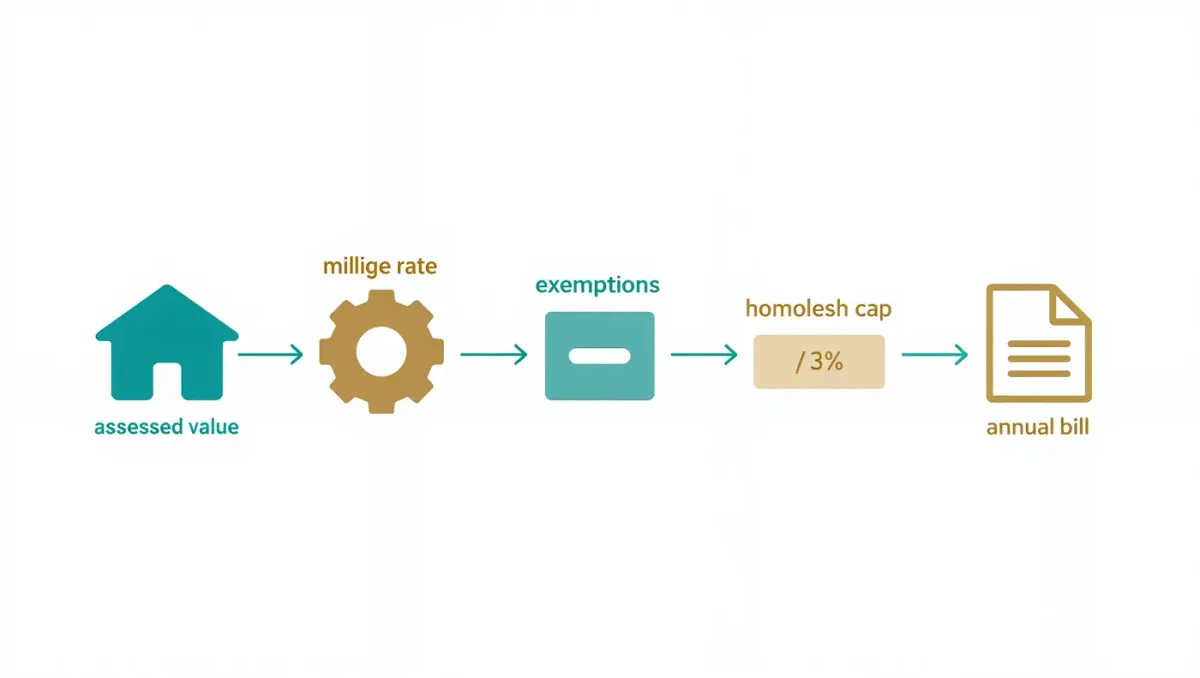
Most exemption programs work one of three ways. A flat exemption reduces your assessed value by a fixed dollar amount before the tax rate is applied. A percentage exemption cuts a share of assessed value. An assessment freeze stops your assessed value from rising while you qualify, which protects you from market-driven increases even when tax rates stay flat.
The savings are proportional. A flat exemption of a few thousand dollars off assessed value translates into a smaller reduction on the actual bill, because the tax rate is applied to the reduced value. Programs in different states use different amounts, and some layer a disability exemption on top of a general homestead exemption.
Who qualifies, exactly as the programs state it?
This is where precision matters, because eligibility language varies and the taxing office applies it literally. Common requirements, as state revenue departments and county assessors publish them, include:
- Documented disability status — many programs accept a Social Security Administration award letter or a U.S. Department of Veterans Affairs disability rating; some require their own medical certification form
- Ownership and occupancy — the home must be your principal residence, usually with an owner-occupancy deadline tied to a specific date in the year
- An income limit for some, but not all, programs
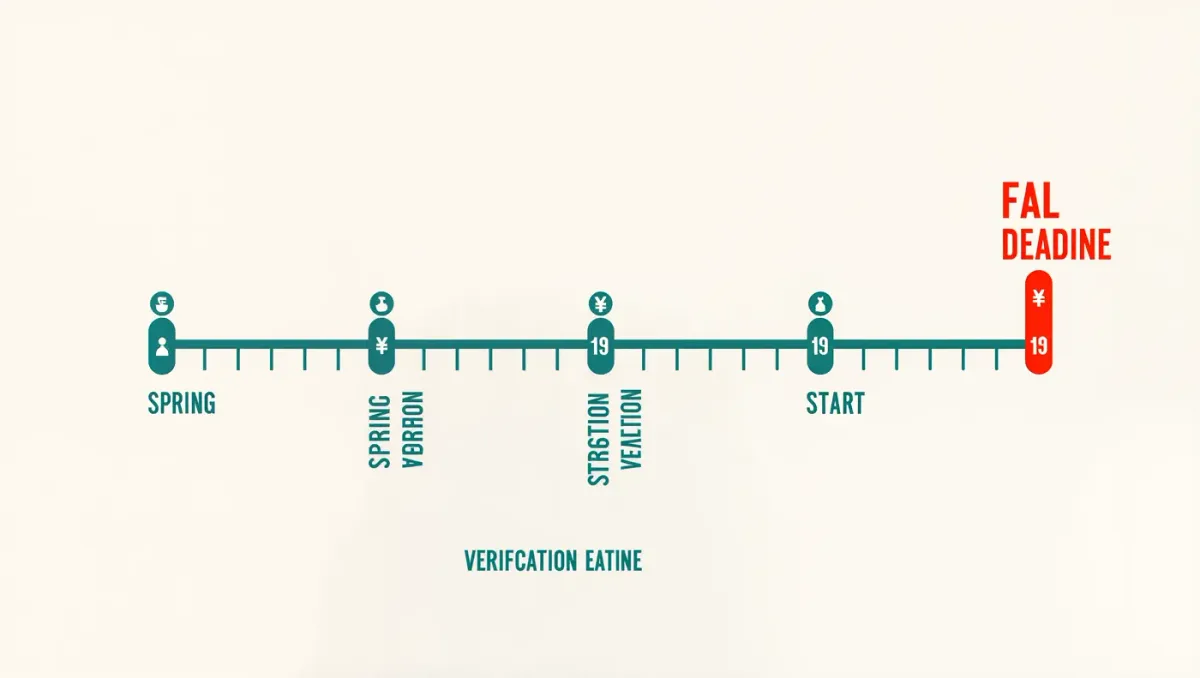
- An application with supporting documents, filed by the program's deadline — some accept applications year-round, others have one annual window
- Re-certification in some states, where you must confirm eligibility every year or every few years
Some states define disability by the inability to work, others by receipt of federal disability benefits, others by a percentage rating. A program that accepts an SSA award letter will not necessarily accept a doctor's note. Read the program's own eligibility page before applying, and apply even if you are unsure — the worst outcome of an application is usually a denial letter, not a penalty.
What do veterans' property tax programs look like?
Veterans with VA disability ratings often have access to the largest exemptions. In many states, veterans rated 100 percent permanently and totally disabled by the VA receive a full property tax exemption on a primary residence, with partial exemptions at lower ratings — and surviving spouses of veterans who died from service-connected causes frequently qualify as well. The VA publishes the housing grant programs it administers, but property tax exemptions for veterans are set by state law, so the details live with your state's revenue department or county assessor.
The practical step is the same as for civilian programs: get your VA rating documentation, find your state's veterans property tax exemption page, and file before the deadline. Many county veterans service officers will help file the paperwork at no charge.
What does the IRS side of this look like?
Federally, property taxes you pay are deductible as an itemized deduction on Schedule A, subject to the state-and-local-tax limitation — capped at $10,000 total per household as of the 2025 tax year, per the IRS. If you take the standard deduction, an exemption that lowers your bill simply saves you the cash difference. There is no federal tax on the savings from a state property tax exemption, and exempt amounts are generally not counted as income.
One caution the IRS pages make plain: deductions for property tax require that the tax have been actually paid in the tax year, assessed on your real property. Money held in escrow by your lender but not yet paid to the taxing authority does not count yet.
How do you find and apply for your local program?
- Search your state revenue department or county assessor's site for "disability exemption" or "homestead exemption" together with your county's name.
- Read the eligibility page verbatim — note what disability documentation it accepts, the occupancy date, any income limit, and the deadline.
- Gather documents: deed or ownership record, proof of principal residence, SSA or VA award letters or the program's medical form, and photo ID.
- File the application with the assessor's office by the deadline, and keep a dated copy of everything you submit.
- Mark the re-certification date if the program requires annual renewal, and check your next tax bill or assessment notice to confirm the exemption was applied.
If the exemption is missing from a bill where you believe you qualified, call the assessor's office with your application copy in hand. Clerical fixes are routine; missed deadlines usually mean waiting for the next application window.
What are the most common reasons applications get denied?
Assessor offices report a familiar pattern of avoidable denials. The applicant missed the filing deadline — the single most common cause, and one that usually means waiting a full year to reapply. The disability documentation did not match what the program's rules list, such as submitting a physician's letter where the rules ask specifically for an SSA award. The home was not the applicant's principal residence on the qualifying date, which catches owners who moved mid-year. Or the application was simply incomplete.
Every one of these is fixable before filing and painful afterward. Read the checklist on the application form itself, not a summary of it, and file early enough that a missing document can still be supplied before the deadline. If your application is denied, most jurisdictions offer an administrative appeal or correction process, often with a short window of 30 to 60 days from the notice — the denial letter states the exact window and where to send an appeal.
How does an exemption interact with assessment appeals?
An exemption and an assessment appeal solve different problems, and you may need both. An appeal argues your assessed value is too high compared with comparable sales. An exemption reduces or freezes whatever value the assessor has already set. Winning an appeal lowers the base; the exemption then works on that lower base. There is no conflict between the two — homeowners who qualify for a disability exemption can still contest an assessment they believe is wrong, and many do.
Note also that a freeze protects only against assessed-value increases. If your taxing jurisdiction raises its tax rate, a frozen assessment still produces a higher bill. Programs differ on whether they compensate for rate changes, so read the statute or program description your state publishes rather than assuming the freeze holds the bill itself steady.
What if you rent rather than own?
Property tax exemptions apply to owners. Renters with disabilities may have other routes: some states offer renter's credits or circuit-breaker programs that refund a portion of rent presumed to include property tax, again with program-specific income and disability rules. If you own a home you moved out of and rent elsewhere, you generally lose the owner-occupancy that most exemptions require — a detail worth confirming with the program before a move.