Federal special-education rules require some school-purchased devices to travel home with a child who needs them — and Medicaid can sometimes help with what school doesn't cover. This isn't legal or benefits advice; requirements vary by state and by case.
A wheelchair ramp should rise no more than 1 inch per 12 inches of run, with 60-inch landings at top and bottom — here is what the ADA 2010 Standards say and how to apply them at home.
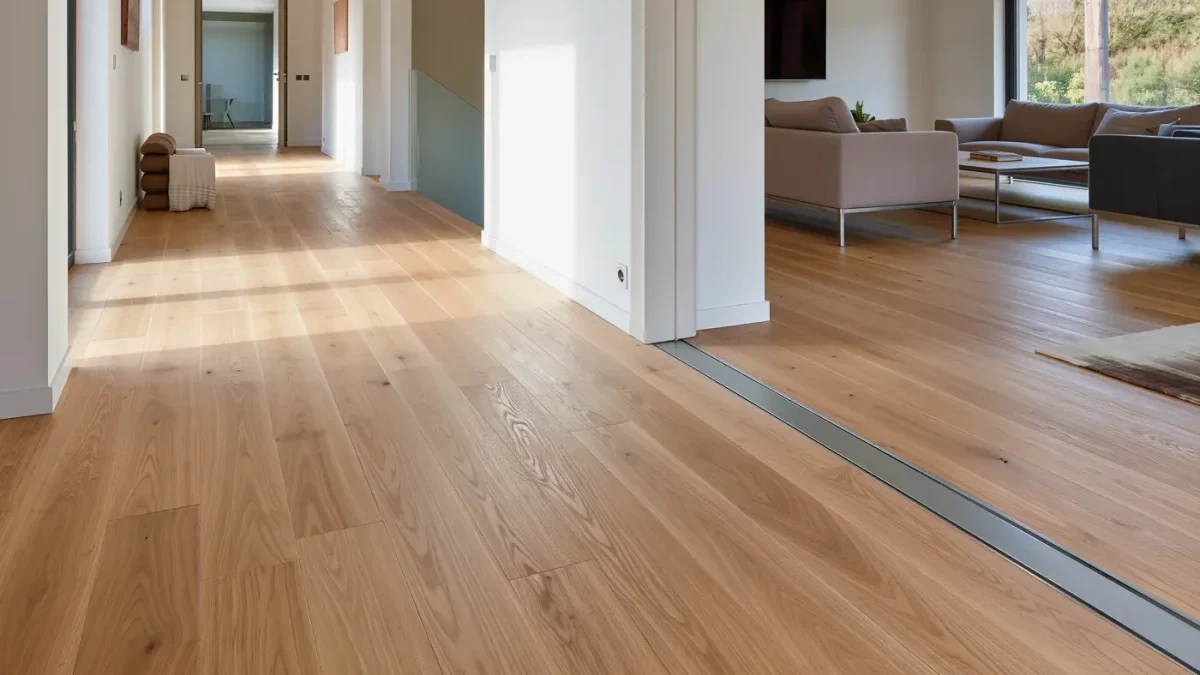
Rollable flooring must be firm, stable, and slip resistant, and carpet pile should stay at a half inch or less — here is how the main flooring options compare for wheelchair homes.
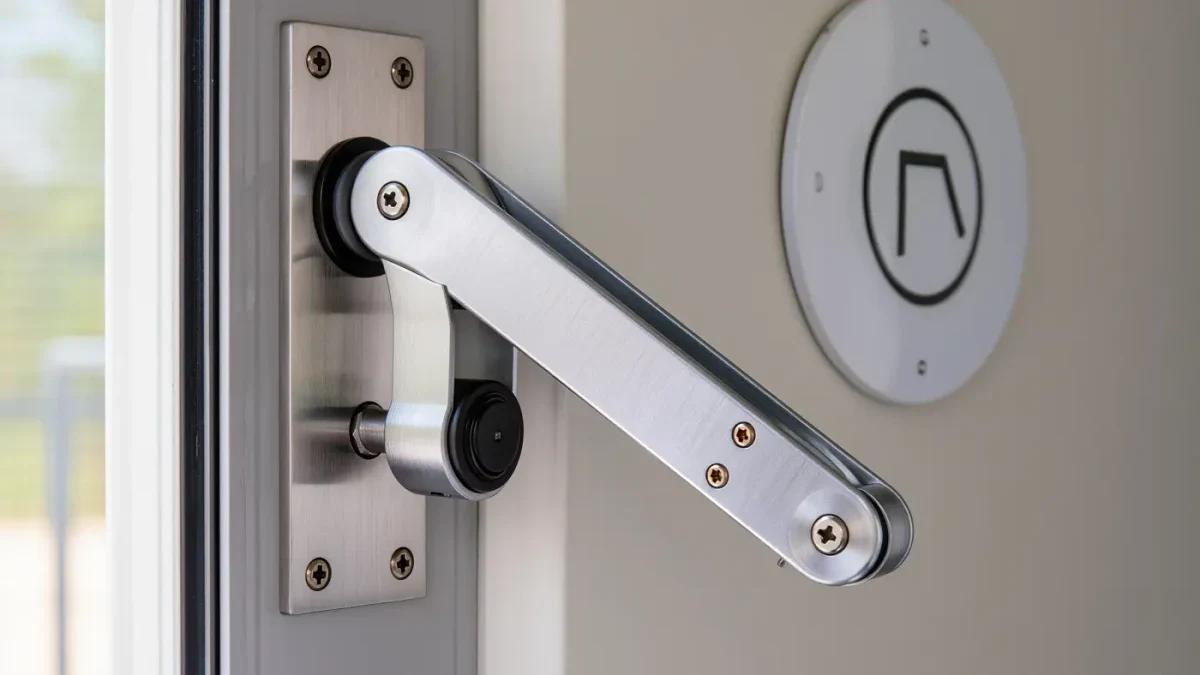
An automatic door opener typically costs $2,000 to $5,000 installed and a smart lock $100 to $350 — here is how the two work together, what the standards say, and how to choose well.
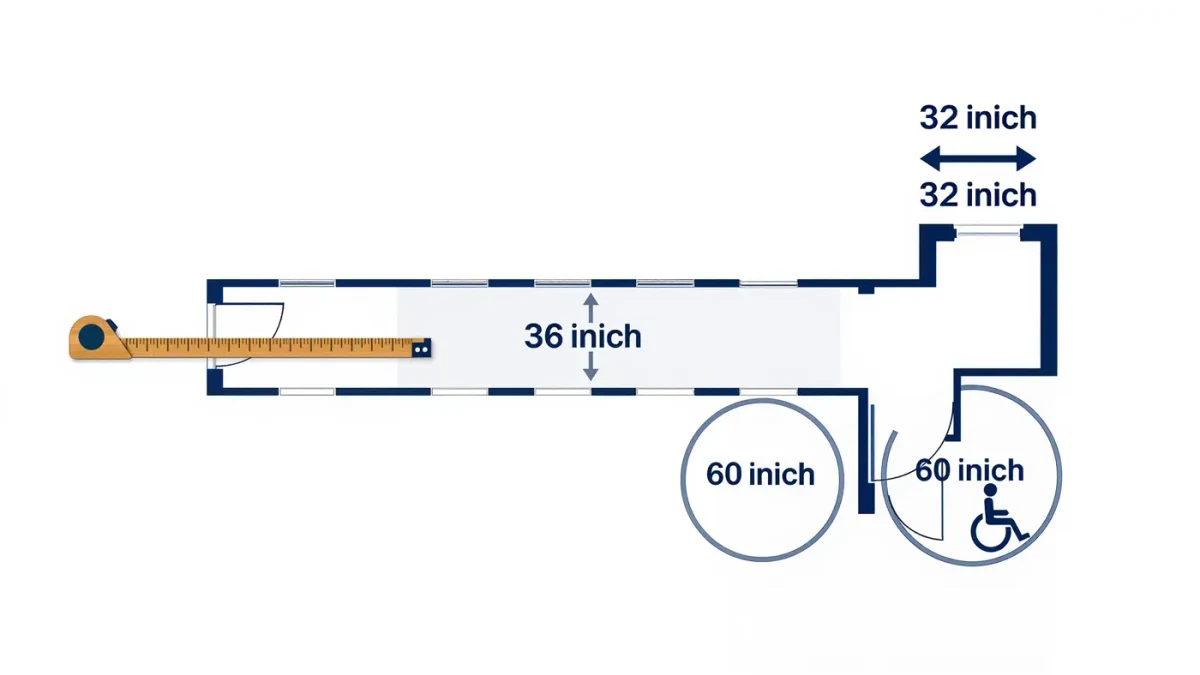
Most wheelchair users need a hallway at least 36 inches wide, and turning space of 60 inches, per ANSI A117.1 and the ADA 2010 Standards — here is what a widening project actually involves.