A straight-run stairlift is typically installed in three to four hours, with the rail mounted to the stair treads — not the wall — so no structural work is needed. Curved installations take most of a day. As of 2025, installed straight units commonly run $2,000–$5,000 and curved units $5,000–$15,000, per industry pricing ranges from major makers.
What happens at the home assessment?
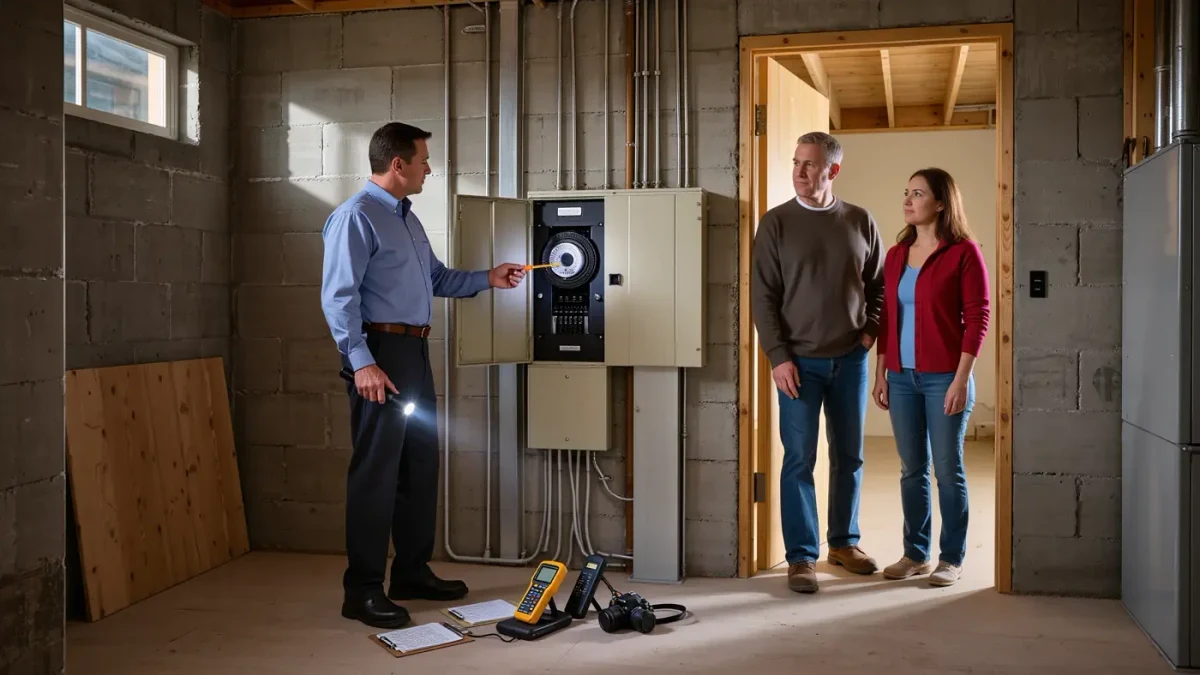
Every reputable install starts with an in-home assessment, which is free from most major dealers. The technician measures the staircase, checks your transfer ability, and photographs the site. Expect these steps:
- Measurement of the run. The tech records the rise, tread depth, and any turns or landings to determine straight versus curved track.
- Transfer and seating questions. Seat height, swivel direction, and whether you need a perch seat or extra-wide chair get decided here, based on how you move.
- Power check. Stairlifts run on standard household current from a normal outlet near the stairs; the tech confirms outlet placement and whether a battery backup matters during outages.
- Obstacle review. Narrow doorways at the stair landing, radiators, and low ceilings at the top all affect rail placement and seat type.
- Written quote. You should get a line-item quote covering the unit, rail, installation, warranty, and service terms before any money changes hands.
Rail to the stairs or the wall — which is it?
Modern stairlifts bolt to the stair treads, not the wall. The rail sits on small brackets screwed into the steps themselves, which is why the job takes hours instead of days and why the wall stays untouched. This matters if you rent: wall-mounted hardware would be a modification requiring landlord agreement, while tread-mounted brackets leave the wall intact, though you should still get written permission — and note that a tread-mounted rail does leave screw holes in the steps when removed.
What the ADA and building codes say about stairlifts at home is: very little. The ADA 2010 Standards govern public accommodations and government facilities, not private residences, and stairlifts are generally treated as an accessible-route exception even there. What matters at home is that the rail leaves enough passage width for anyone else using the stairs and that the unit meets the manufacturer's rated capacity — typically 300–400 pounds for standard models, per manufacturer spec sheets.
How does installation day actually go?
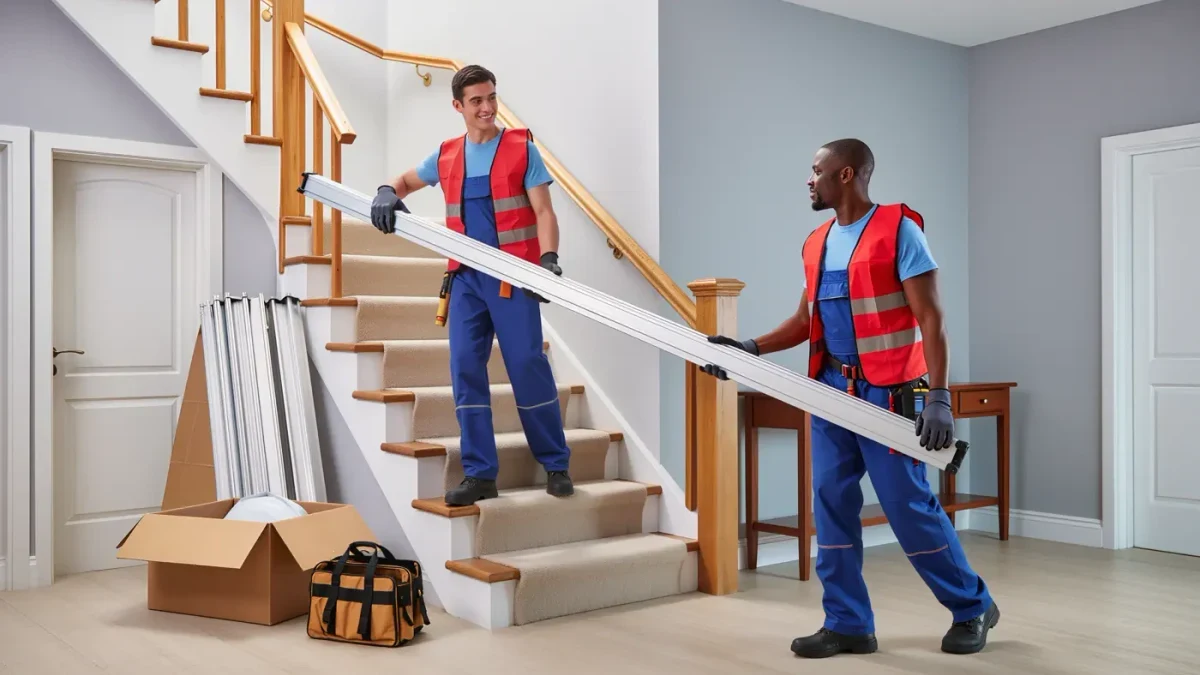
Installation of a straight stairlift follows a consistent sequence, per manufacturer installation guides. Here is what you will see:
- The rail goes up first. The tech assembles the track on the stairs, checks it is level along the run, and fastens brackets to the treads.
- The drive unit and seat attach to the rail. The carriage with motor and gears clips onto the track, and the seat bolts to the carriage.
- Wiring and charging connect. The unit plugs into a nearby standard outlet; the rail's charging strips keep onboard batteries topped up.
- Safety checks run. The tech tests the seat swivel lock, the fold-up armrests, the obstruction sensors on the footplate that stop the unit, and the seatbelt.
- You get a training session. Expect 20–30 minutes of practice with the controls — the joystick or toggle, the swivel release, and the call/send remotes at both landings.
- Paperwork closes out. Warranty registration, service schedule, and emergency-stop instructions get handed over before the crew leaves.
Straight or curved — how does the choice change the job?
A straight staircase needs a stock rail, which is why the install is quick and the price lower. Any turn, intermediate landing, or curved wall means a custom-fabricated rail, measured at the assessment and built off-site — which adds roughly two to four weeks between measurement and installation day, per dealer lead times commonly reported as of 2025. The install itself runs longer, often four to six hours, because modular curved sections must be aligned precisely.
Some households with a mid-staircase landing choose two straight units instead of one curved rail. The trade-off is a transfer between seats at the landing, which requires the strength and balance to make it safely — a decision an occupational therapist should weigh in on, not just the salesperson.
What could go wrong on the day?
Three issues account for most problems. Narrow stairs — under about 32 inches of clear width — can leave too little passage once the folded unit occupies its footprint; the seat and arms fold to roughly 12–14 inches of rail depth when parked, per manufacturer specifications. Outlet placement occasionally requires an electrician's visit before install day. And older or uneven treads sometimes need shimming under brackets, adding time but rarely changing the quote. Ask at the assessment which of these applies to your staircase.
How do you maintain it afterward?
Stairlifts are low-maintenance but not zero-maintenance. Keep the rail free of dust and pet hair, don't store items on the track, and expect a service visit roughly once a year under most dealer service plans. Battery backups typically need replacement every one to three years, per manufacturer documentation. Keep the manual's emergency-stop and manual-lowering instructions somewhere the whole household can find them — if the unit loses power, the onboard battery should still carry you up or down, but knowing the manual descent procedure matters.
What should you check before signing the quote?
Compare at least two dealers' quotes line by line, and check four things before you sign. Confirm the rated weight capacity against the user's weight plus any winter gear or bags carried on the lap. Confirm what the warranty covers on the motor, gearbox, and rail — terms commonly run one to five years on parts with options to extend labor, per manufacturer warranty documents. Confirm the service-call policy, including response time and travel charges. And confirm removal terms now, even if that day feels far off: dealers commonly charge for removal, and some buy back units in good condition, a detail worth having in writing at purchase rather than later.
Frequently asked questions
How long does a stairlift installation take?
Straight-rail units are usually done in three to four hours; curved rails take most of a day, per manufacturer installation documentation. The custom rail itself adds two to four weeks of lead time between measurement and install for curved runs.
Does a stairlift damage the stairs or wall?
The rail mounts to the stair treads, leaving the wall untouched. When the lift is removed, tread screw holes remain but are fillable; dealers often offer removal services that leave the staircase usable.
Can a stairlift be installed in a rental?
Usually yes, with written landlord permission. The Fair Housing Act generally entitles tenants with disabilities to reasonable modifications at their own expense; because the rail attaches to treads rather than structure, removal and repair obligations are usually modest — agree on them in writing first.