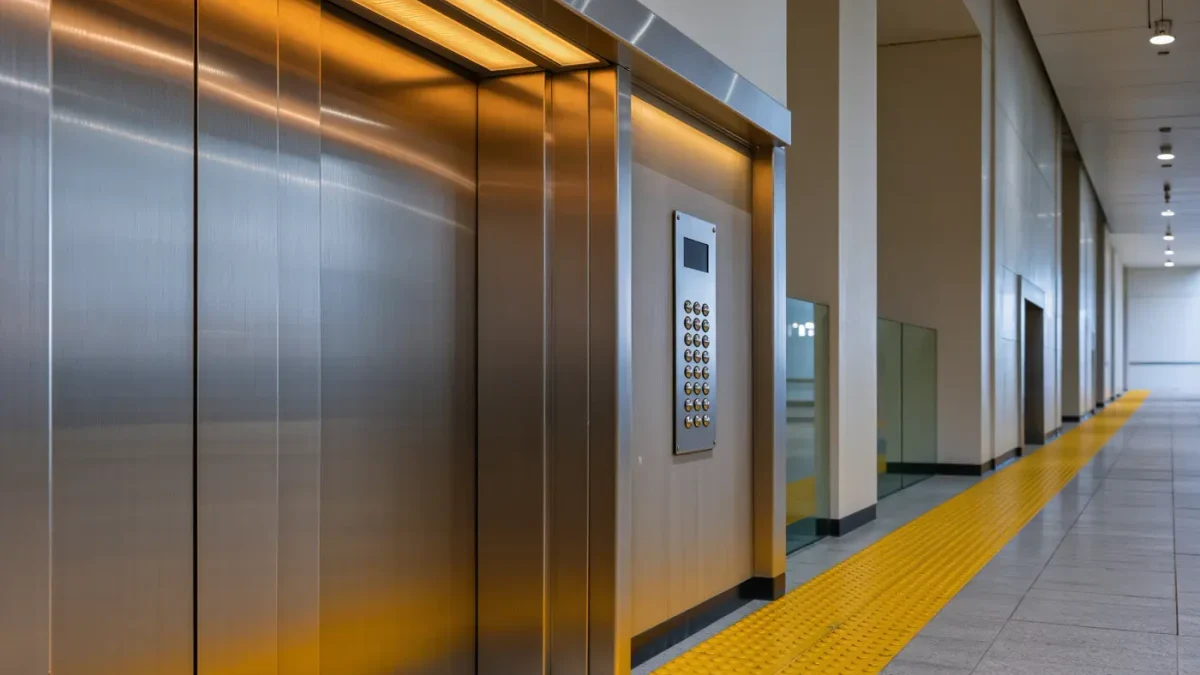
The year's biggest accessible-transportation news for housing came March 2, 2026, when the Federal Transit Administration (FTA) announced a $686 million competitive grant opportunity under the All Stations Accessibility Program (ASAP), per the FTA, March 2, 2026 — funding elevators, ramps, and tactile wayfinding at older rail stations built before ADA requirements. For home hunters and homeowners alike, a working station elevator is part of the accessible home.
Grant outcomes vary by transit agency and project.
What is the All Stations Accessibility Program?
ASAP funds upgrades to legacy rail stations — stations built before the ADA's 1990 accessibility standards — so riders who use wheelchairs, walkers, or strollers can reach platforms independently. The Bipartisan Infrastructure Law set aside $350 million per fiscal year from 2022 through 2026 for the program, per the FTA. The March 2, 2026 notice opened applications for $686 million, with the FTA emphasizing clearer navigation, updated infrastructure, and efficient project delivery. Awards go to transit agencies, not individuals.
Why does a station elevator matter for housing?
An accessible apartment two blocks from a rail stop is only accessible if the station is. Elevator outages and pre-ADA stations push riders onto paratransit, which typically requires advance booking and trip windows. When a station gains elevators, the practical radius of housing that works for a wheelchair user expands without any moving truck — which is why these projects change home access, not just commutes.
What should you watch, and do, next?
- Check your transit agency's capital plan for ASAP applications near your neighborhood; agency websites list submitted projects.
- When touring a home, visit the nearest station at the hour you would actually travel, and check elevator status pages for reliability history.
- Comment during public comment periods — agencies weigh documented community need, including from disability riders.
- Do not buy or lease on a promised retrofit timeline; station projects take years from award to opening.
Are sidewalks and home ramps part of this too?
Station grants stop at the station property line in most cases; the connecting sidewalk and curb ramps are usually city responsibility under ADA Title II, maintained through local public works budgets. The home you control: a level threshold, an accessible path from door to sidewalk, and — for the last hundred feet — a compliant ramp at 1:12 slope where a step exists, per the ADA standards for public rights-of-way contexts. Transit money fixes the middle of the trip; the two ends remain yours and your city's.